Past & Present
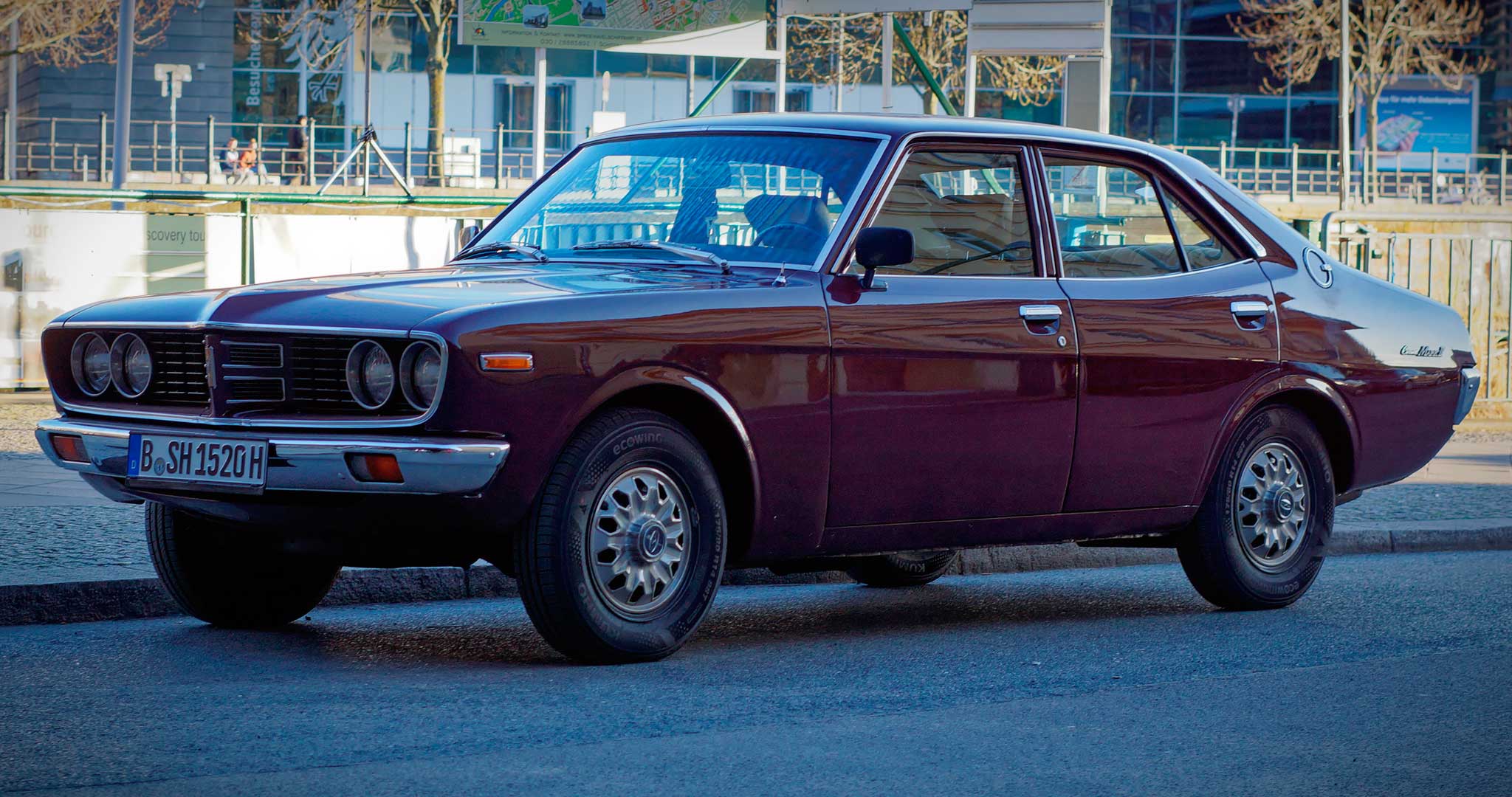
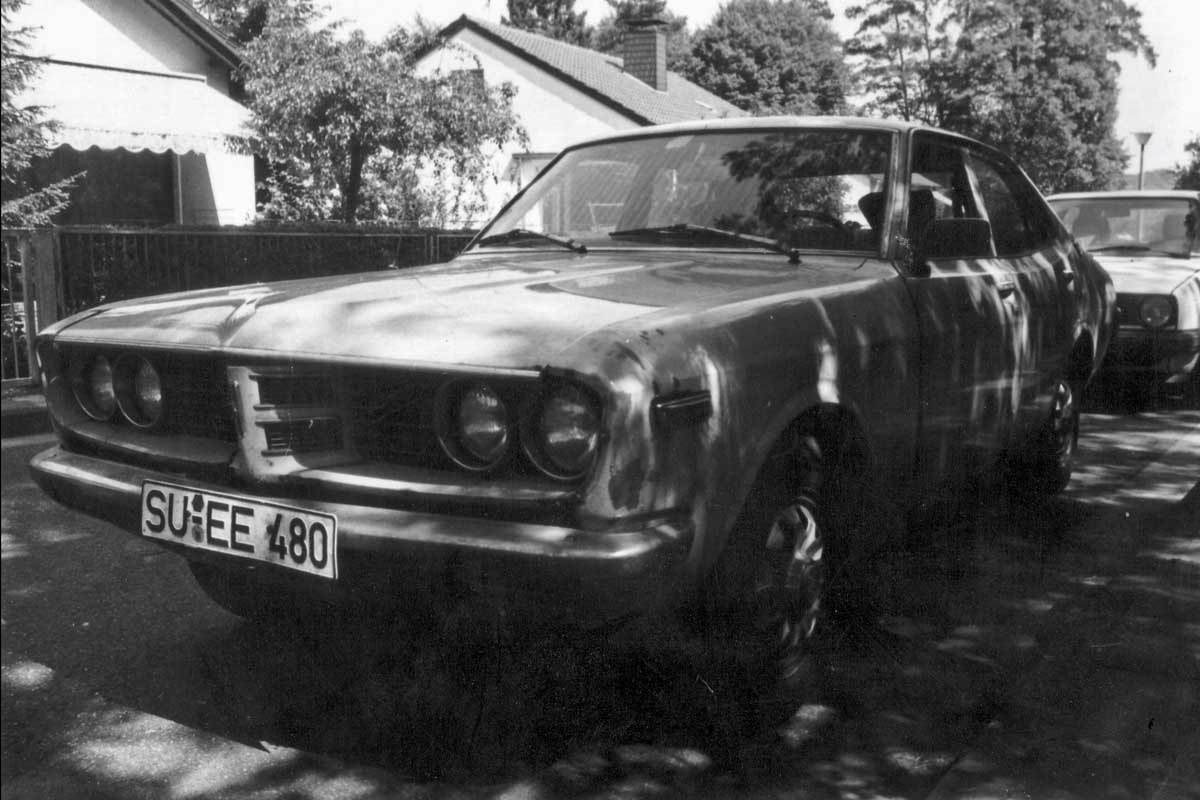
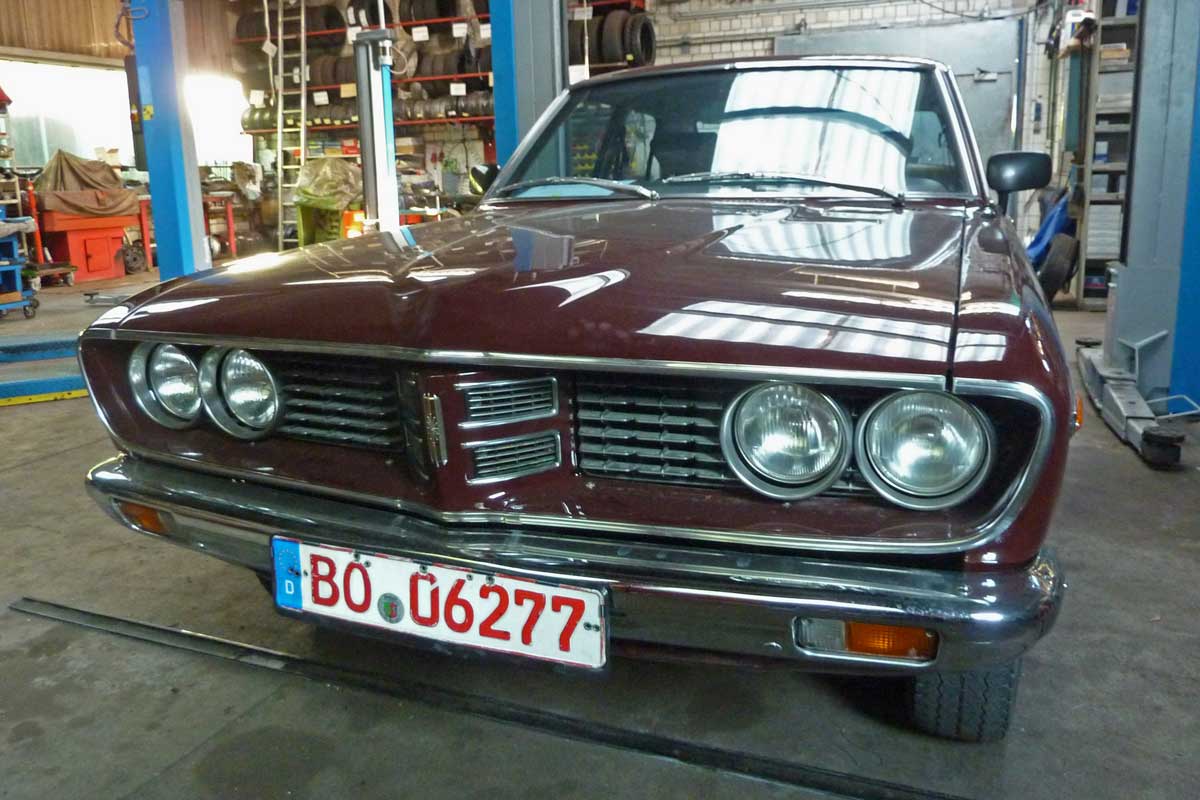
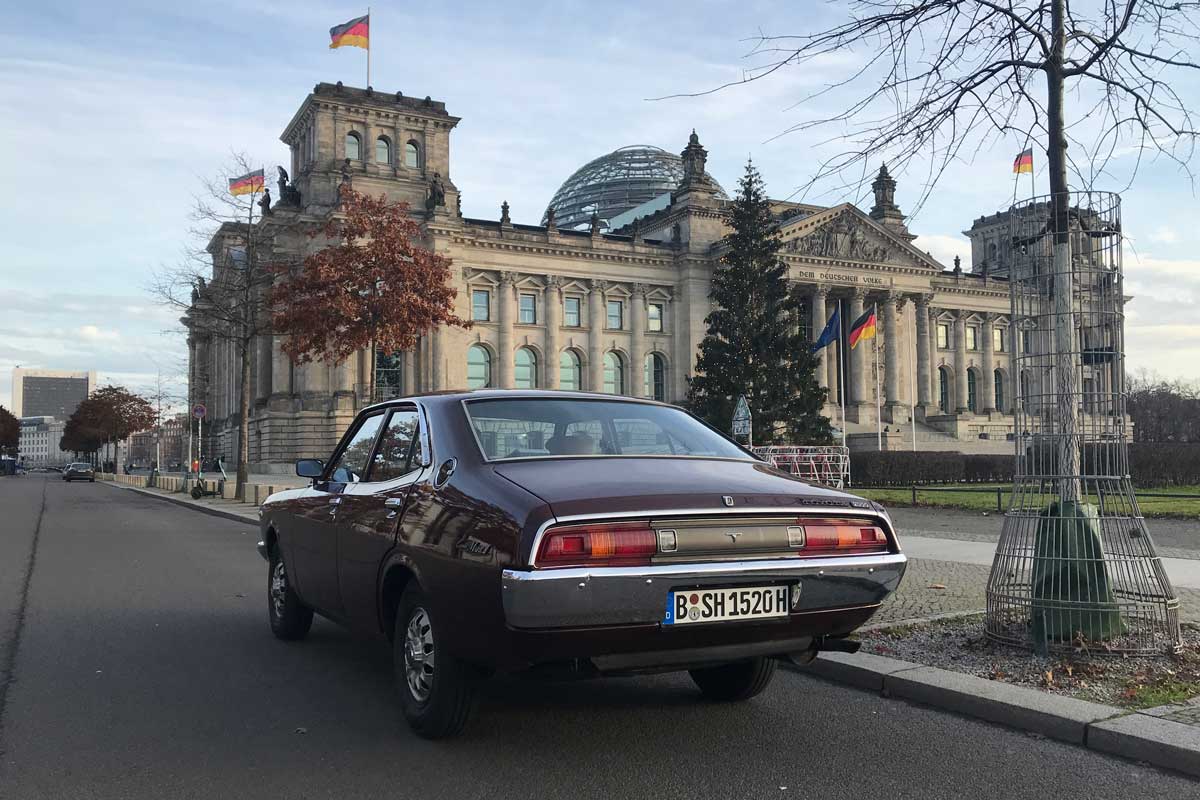
I am glad that you found the way to this website. Here I would like to tell interested visitors more about my Toyota Corona Mark II.
Long Story short
The Toyota Corona Mark 2 symbolizes Toyota's path to the top of the world. Founded in 1936, the company took its cue from car manufacturers in Europe and America. They wanted to produce an affordable car in Japan that was suitable for the masses and would stand up to the competition. Designed as a middle-class model, the first Corona was introduced in 1957, still under the name "Toyopet". This model already indicated the style choices Toyota was making to pursue success. The US market determined their choices and is still essential for the success as world market leader; with more than 14% in 2020, Toyota has the second largest market share in the USA behind General Motors.
In 1968, the first Toyota Corona Mark 2 was introduced. This model was larger than the previous Corona but smaller than the top model Crown. In 1972 the second generation was introduced (X-platform). The US market is known for short model cycles, with innovations and design edits almost every year to whet customers' appetites for the latest model. Toyota sought success with reliability, an excellent price-performance ratio, and a design language that corresponded to North American tastes.
Platforms allow manufacturers to adapt models to new markets quickly. Looking to start sales in Germany in 1971, the company had to come up with compelling offers quickly. From 1972 the Toyota Corona Mark 2 was introduced as the Toyota Corona 2000. Auto, Motor und Sport published an article (No. 5, 1973, page 38 ff.) under the headline "Außenseiter" (Outsider). The article was quite critical of the new competitor. They criticized that the dimensions of the body were difficult to gauge for drivers, the soft chassis, the indirect steering, and the rough, not very dynamic engine. Where Ford broke new ground with the swing-axle rear suspension design of the Consul/Granada, the Toyota Corona Mark 2 had to make do with a classic rigid axle. "It's easier to get to the top than to stay there", Ferdinand Piëch once joked; GM, Ford, and Chrysler can tell you a thing or two about that. All the more credit must be given to Toyota's management for maintaining its top position to this day.
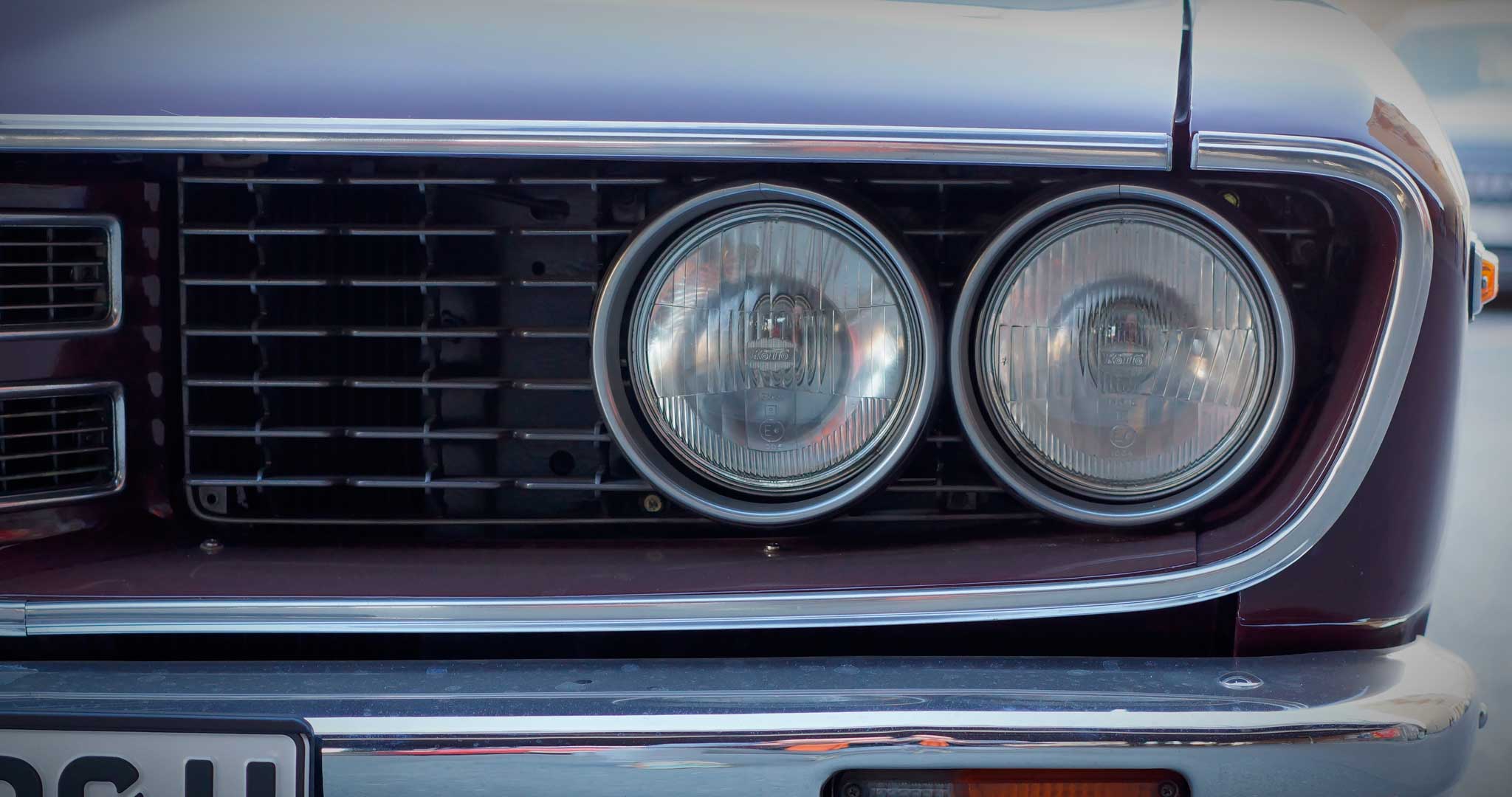
In Germany, Toyota offered a 2-liter engine with 89 HP (RX12). The front became wedge-shaped at the end of 1973 and differentiated itself clearly from the American model. There was also a coupé until 1976, but never a station wagon, let alone a more powerful 6-cylinder engine (MX13). The vehicles were generously equipped in Germany compared to the competition, where you had to pay for extras. Tinted windows, which were standard on the Mark 2, were often not even available as an extra.
Red velvet
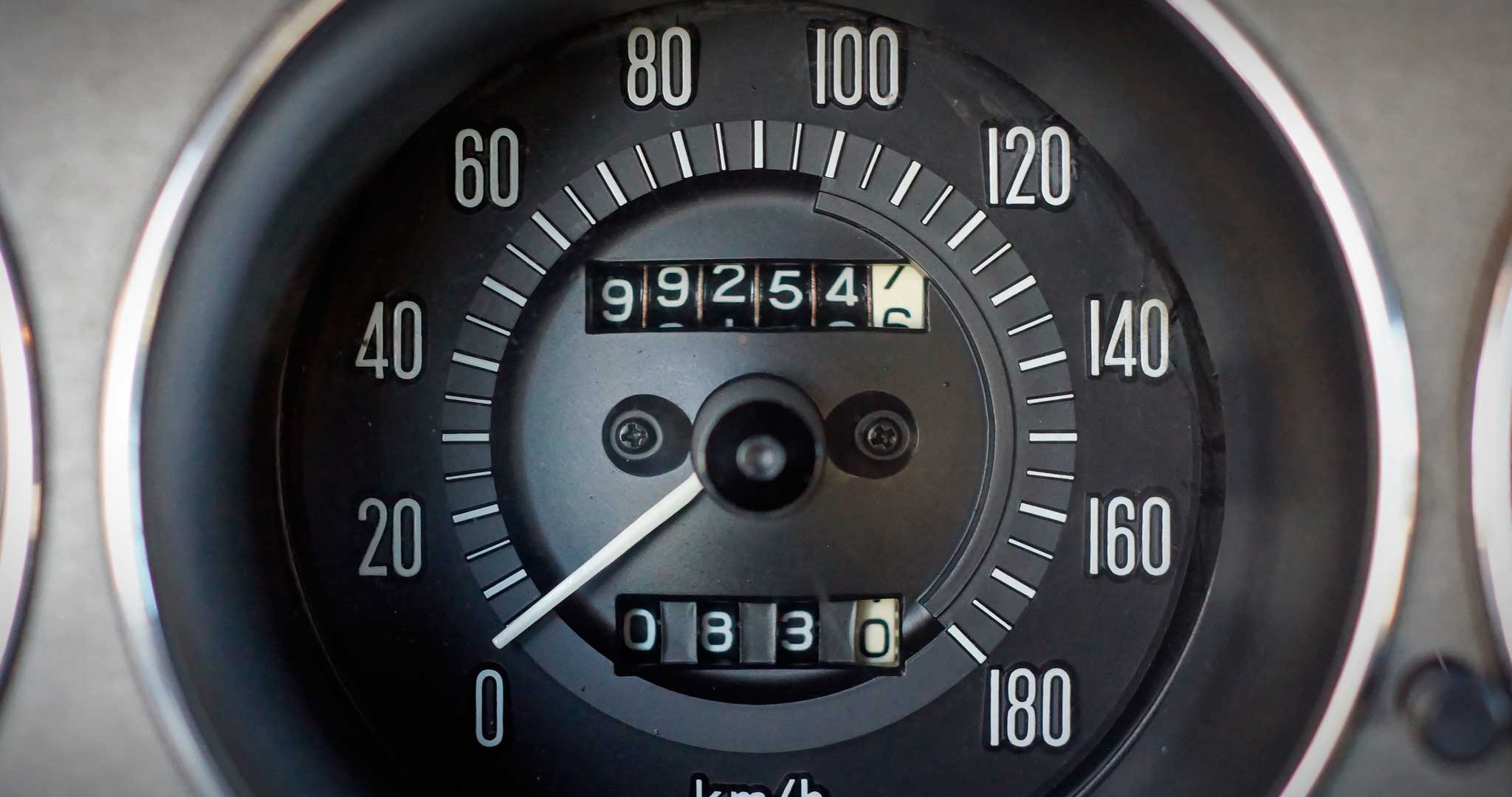
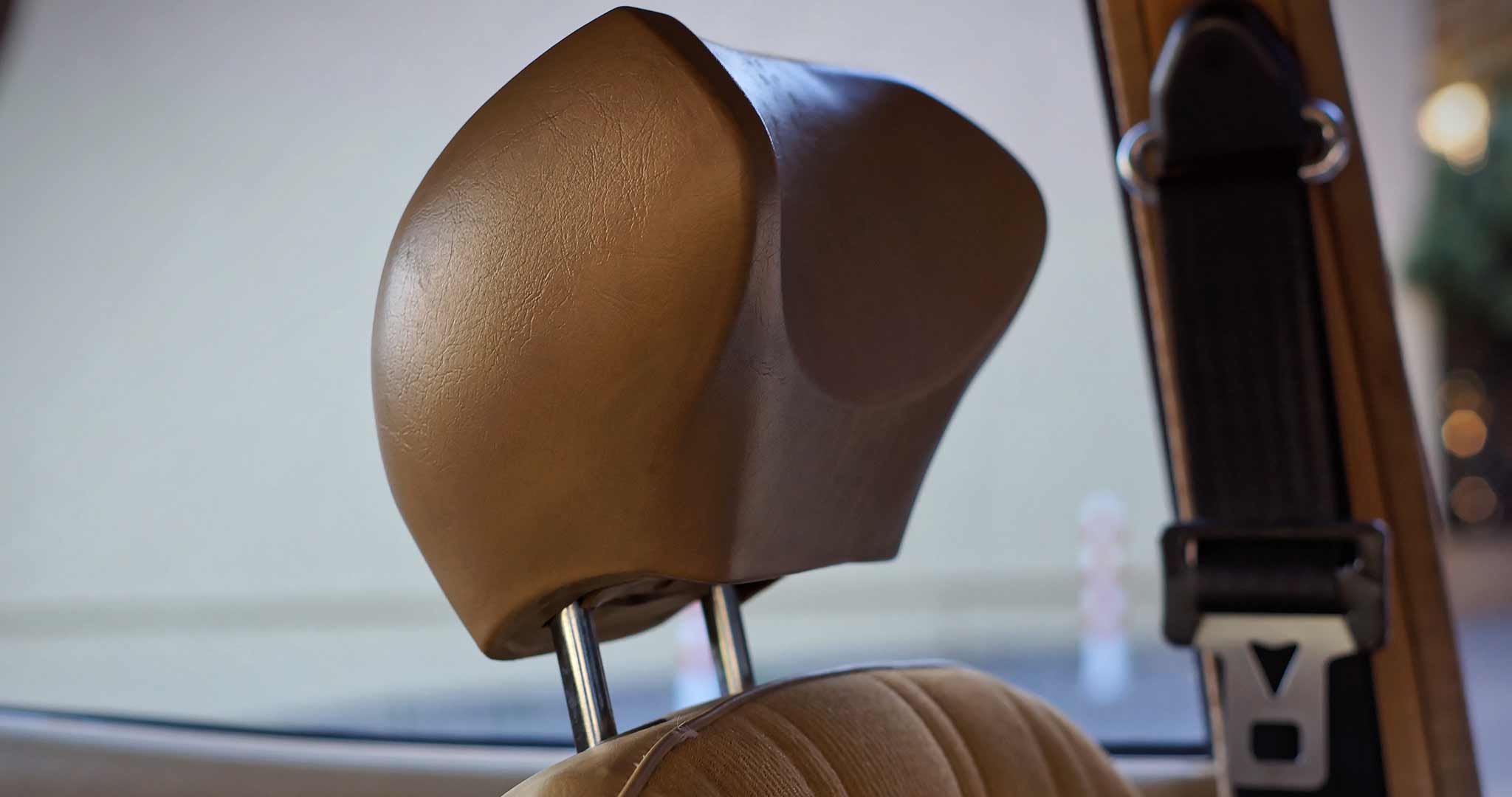
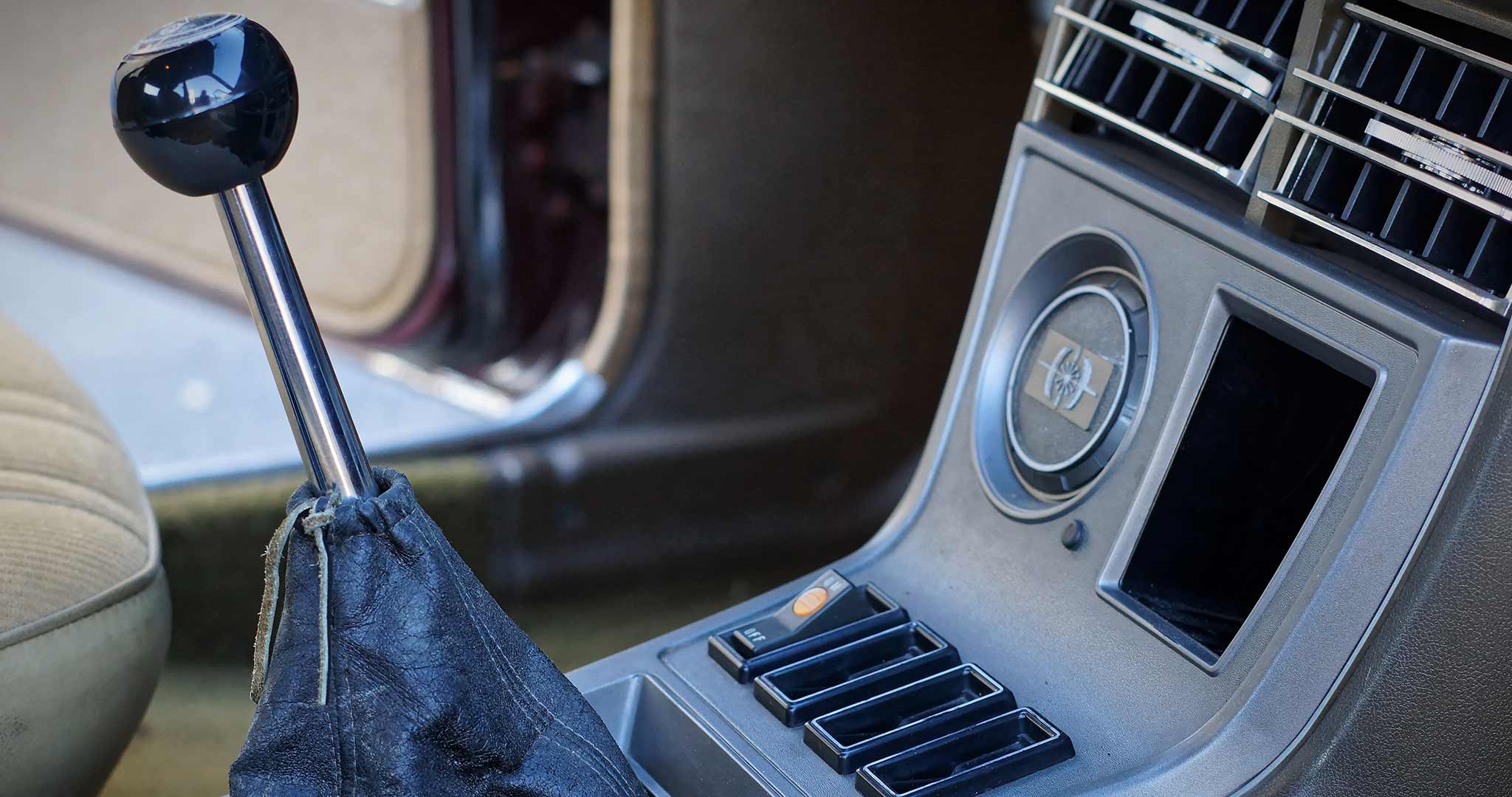
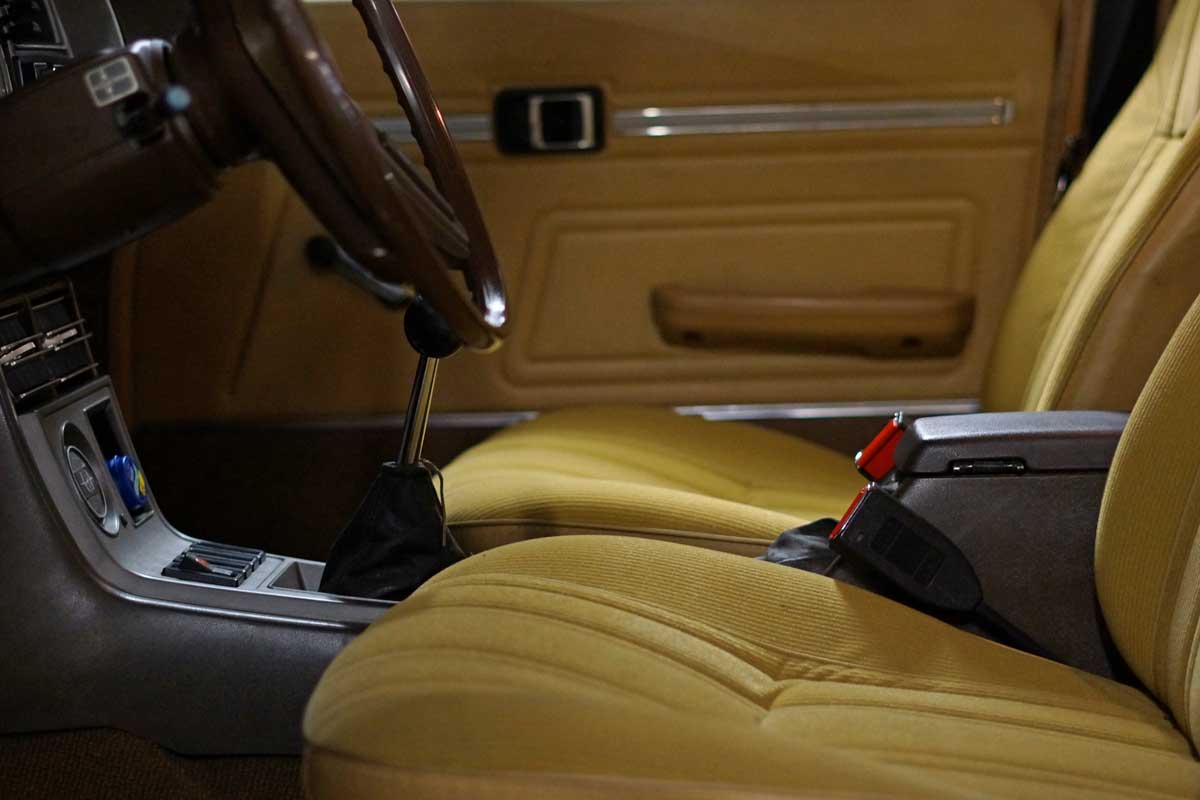
I have now driven 5,000 km in my Toyota since I bought it in 2020. The original carburetor could no longer be adjusted for everyday use and was replaced by a Hilux carburetor. Even though I now have no automatic start or choke on cold winter days, it starts immediately after pumping the accelerator three times. The four-speed gearbox shifts accurately and cleanly, even though nowadays you’d want a 5th or 6th gear - revs are very high at 120 Km/h by today's standards. So, it’s better to relax and take it easy. The suspension is, as you'd expect, American-style soft and designed for comfort. Everything the chassis doesn’t absorb the corduroy seats will – they are still in good condition.
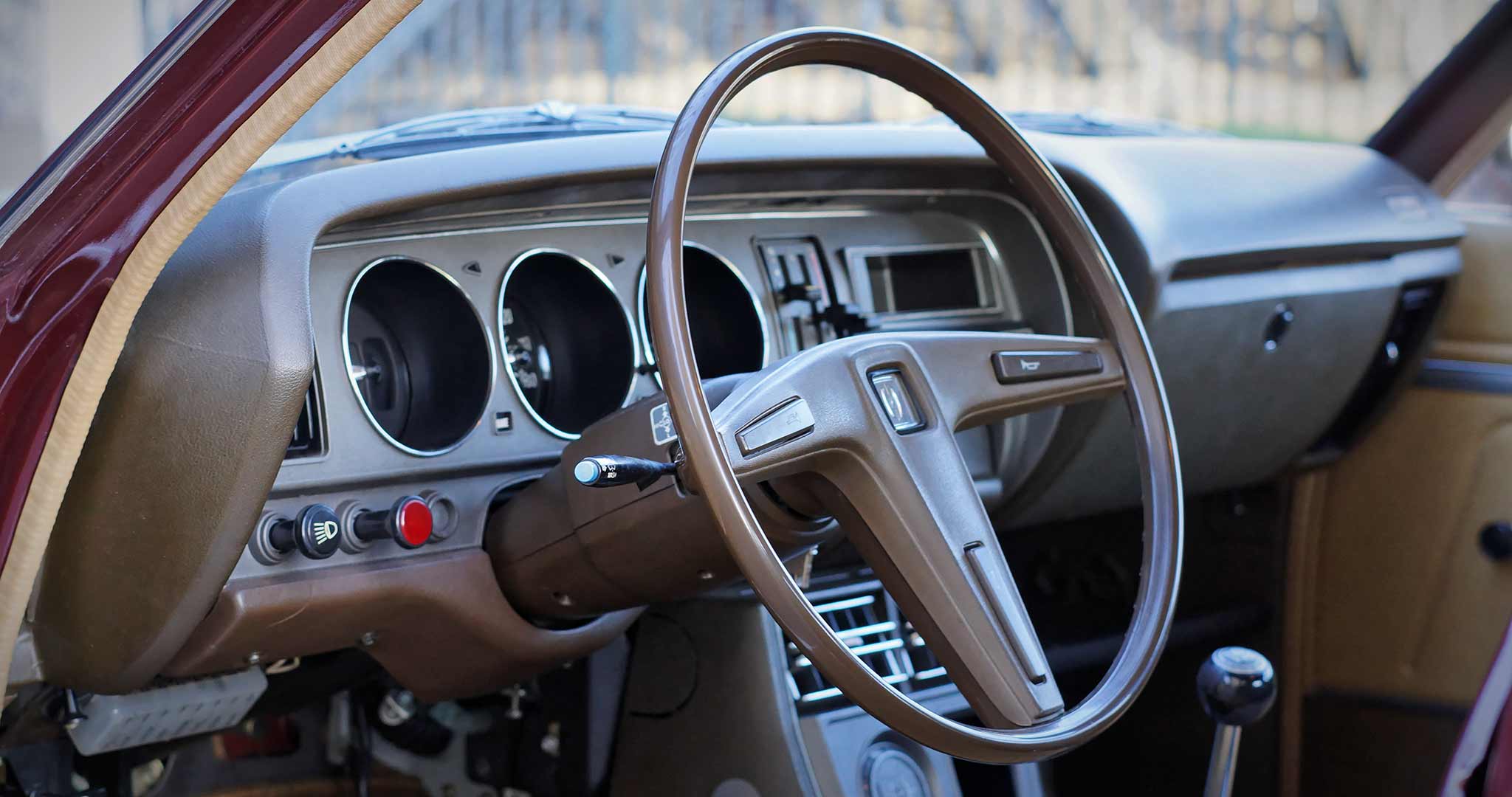
Even though the car’s overall condition is outstanding for a '76 Toyota, I will be restoring or replacing some parts to the original state over the next few years. These include:
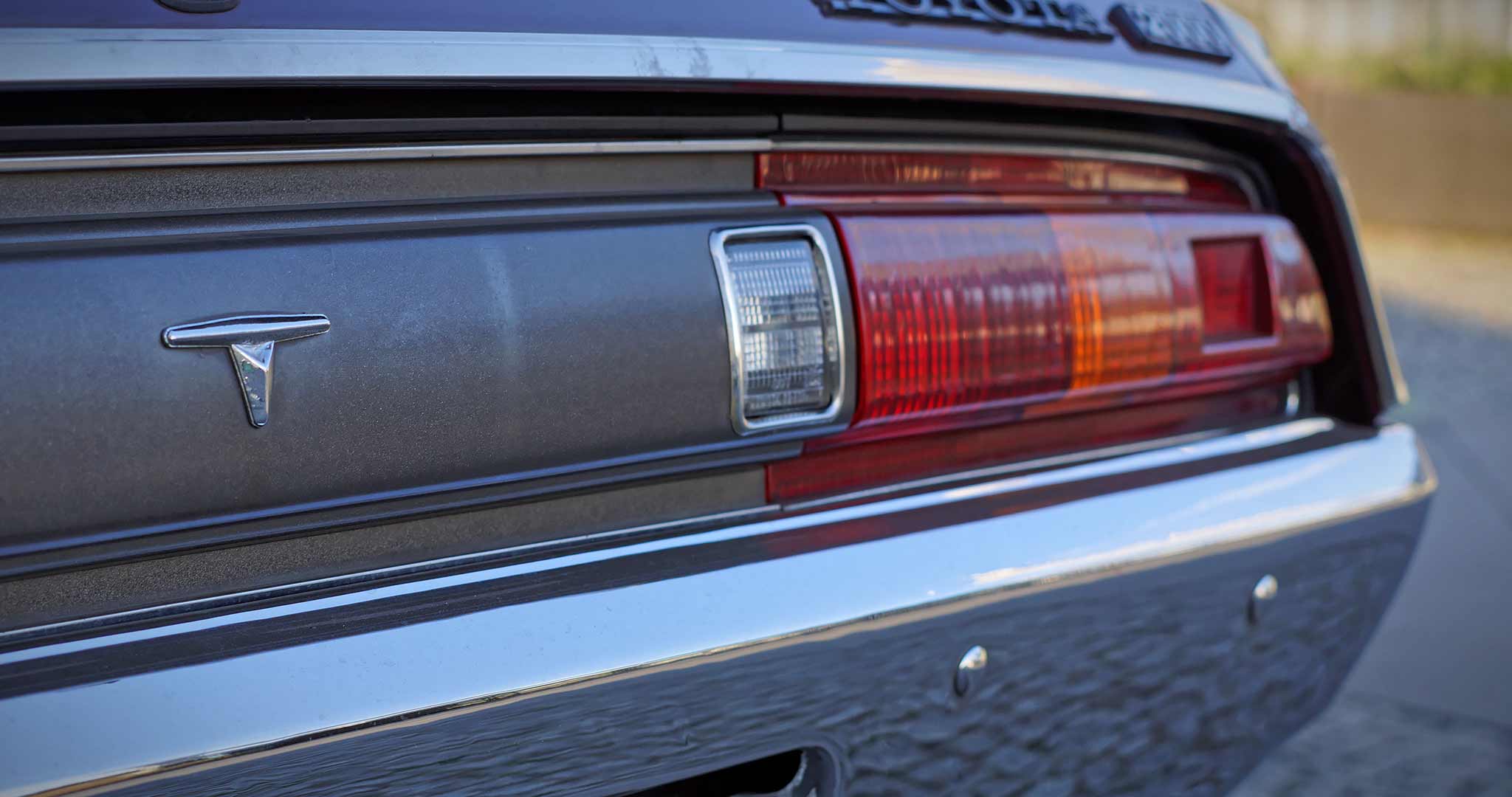
1. Chrome trim bottom right and left
2. Radio
3. Clock, incl. control button
4. Dashboard
5. Leather gearshift and handbrake trim
I am always grateful for tips and suggestions that help me preserve the original state of the car.
 DE
DE  EN
EN